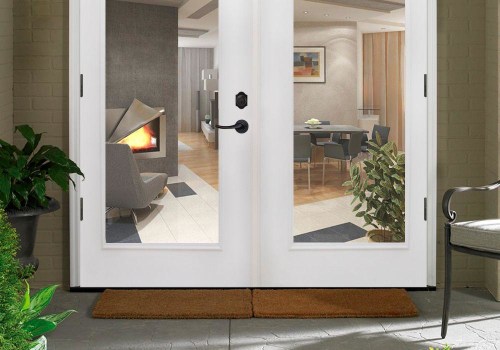
Replacement windows can make a noticeable difference in how bright and welcoming a home feels. Older windows may have thick frames, outdated glass, damaged seals, or accumulated wear that limits the amount of daylight entering a room. Newer window designs often feature slimmer frames and larger glass areas, allowing more natural light to pass through. Increased daylight can make interior spaces feel more open and may reduce the need for artificial lighting during the day. Rooms such as kitchens, living areas, bedrooms, and home offices can particularly benefit from improved access to sunlight.
Improving Views and Visual Openness
Windows influence more than brightness; they also affect how connected an indoor space feels to the outdoors. Replacing small, cloudy, or damaged windows with clearer and more appropriately sized options can improve views and create a stronger sense of openness. Clean glass also plays an important role in maximizing visibility and daylight, which is why services such as Lakewood Window Cleaning can complement the benefits of well-maintained replacement windows. Clearer views can help rooms feel larger while allowing homeowners to enjoy landscaping, outdoor spaces, and seasonal changes from inside the home.
Reducing Drafts and Temperature Fluctuations
Indoor comfort can be affected significantly by aging windows. Gaps around frames, deteriorated seals, and single-pane glass may allow cold air to enter during winter and heat to penetrate during warmer months. Replacement windows with improved insulation and tighter seals can help create more consistent indoor temperatures. By limiting unwanted air movement, they may reduce cold spots near windows and make rooms more comfortable throughout the year. Better temperature control can also make it easier for heating and cooling systems to maintain the desired indoor environment.
Supporting Energy Efficiency
Modern replacement windows are often designed with energy efficiency in mind. Features such as multiple panes of glass, insulated frames, low-emissivity coatings, and gas-filled spaces between panes can help reduce heat transfer. During colder months, these features can help retain indoor warmth, while during warmer periods they can reduce the amount of outside heat entering the home. Although windows are only one part of a building’s energy system, upgrading inefficient units can contribute to improved overall performance and may help reduce unnecessary heating and cooling demands.
Managing Glare and Excessive Heat
More natural light is generally desirable, but too much direct sunlight can create glare and uncomfortable heat in certain rooms. Replacement windows can be selected with glass options designed to manage solar heat gain while still allowing useful daylight indoors. This can be especially helpful in rooms with large windows or strong afternoon sun exposure. Choosing appropriate glazing and window placement can help create a balance between brightness and temperature control, allowing homeowners to enjoy natural light without making interior spaces excessively warm.
Reducing Outside Noise
Window replacement can also improve indoor comfort by reducing unwanted exterior noise. Older windows with thin glass or loose frames may allow traffic, construction, neighborhood activity, and other sounds to enter easily. Multi-pane replacement windows and properly sealed frames can provide an additional barrier against outside noise. While they may not eliminate every sound, improved windows can create a quieter indoor environment that is more comfortable for sleeping, working, studying, or relaxing.
Improving Ventilation and Airflow
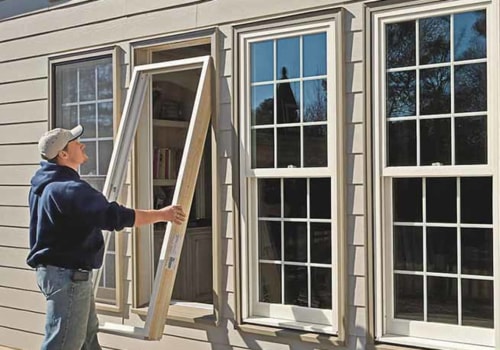
Operational problems with older windows can make natural ventilation difficult. Windows that stick, fail to stay open, or no longer close properly may prevent homeowners from controlling airflow effectively. Replacement windows with smooth, functional opening mechanisms can make it easier to bring fresh air into the home when weather conditions allow. Strategic ventilation can improve indoor comfort by helping remove stale air and providing cooling without relying entirely on mechanical systems.
Creating a More Comfortable Interior
Replacement windows can improve several aspects of indoor comfort at the same time. Increased natural light, clearer views, reduced drafts, improved insulation, quieter interiors, and better ventilation all contribute to a more pleasant living environment. Choosing windows that fit the home’s design, climate, and functional needs can provide benefits that extend beyond appearance. With proper installation and regular maintenance, replacement windows can help create brighter, more comfortable, and more efficient interior spaces for years to come.