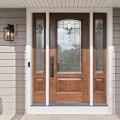
Moisture damage is one of the most common and costly issues homeowners face, often leading to structural deterioration, mold growth, and reduced indoor air quality. Water can enter a home through various points, including poorly sealed windows, damaged doors, and faulty plumbing systems. Over time, even small leaks or gaps can allow moisture to accumulate, weakening materials and creating an environment where mold and mildew thrive. Preventing these issues requires a comprehensive approach that addresses all potential entry points and ensures that every component of the home works together to keep moisture out.
The Role of Quality Windows and Doors
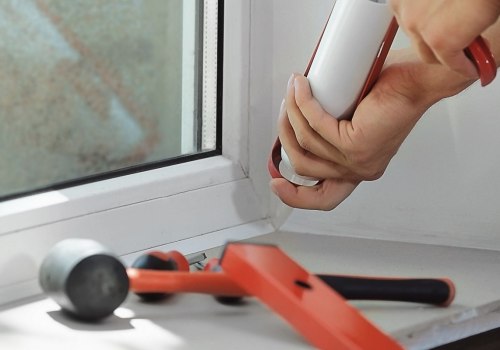
Windows and doors serve as primary barriers between the interior of a home and the external environment, making their quality and installation critical in preventing moisture intrusion. Properly sealed and well-installed windows and doors help block rainwater, humidity, and drafts from entering the home. Features such as weatherstripping, caulking, and durable frames enhance their effectiveness, ensuring a tight seal that keeps moisture at bay. Regular inspections and maintenance of these elements help identify signs of wear or damage, allowing homeowners to address issues before they escalate into more serious problems.
Ensuring Reliable Plumbing Systems
Plumbing systems are another key factor in moisture control, as leaks or malfunctions can introduce water into areas where it should not be present. Pipes, fixtures, and connections must be properly installed and maintained to prevent water damage. Even minor leaks can lead to significant issues over time, including warped flooring, damaged walls, and mold growth. Routine inspections and timely repairs help ensure that plumbing systems function efficiently and remain free of leaks. For homeowners seeking more information or professional assistance, it’s often helpful to visit website resources that provide guidance on maintenance and repair options.
Improving Drainage and Water Flow
Effective drainage systems play a vital role in directing water away from the home, reducing the risk of moisture accumulation around the foundation. Gutters, downspouts, and proper grading ensure that rainwater is channeled away from the structure, preventing it from seeping into walls or basements. Maintaining these systems by clearing debris and ensuring proper alignment helps keep water flowing efficiently. By combining good drainage practices with quality windows, doors, and plumbing, homeowners can create a comprehensive defense against moisture damage.
Enhancing Indoor Air Quality and Comfort
Preventing moisture intrusion not only protects the structure of a home but also improves indoor air quality and overall comfort. Excess moisture can lead to mold growth, which can affect respiratory health and create unpleasant odors. By maintaining dry and well-ventilated spaces, homeowners can create a healthier living environment. Proper insulation and ventilation further support moisture control by reducing condensation and maintaining consistent indoor conditions.
Building a Long-Term Protection Strategy
Ultimately, preventing moisture damage requires a proactive and integrated approach that addresses all potential sources of water intrusion. By investing in quality windows and doors, maintaining reliable plumbing systems, and ensuring effective drainage, homeowners can protect their property from costly damage. Regular inspections, timely repairs, and attention to detail help create a home that remains safe, comfortable, and resilient against moisture-related issues for years to come.